Speaking at the University of Law on How Immigration Law and Business Law intersect, and Why It Matters
Article by Keerthana Moses - Trainee Caseworker at Tulia
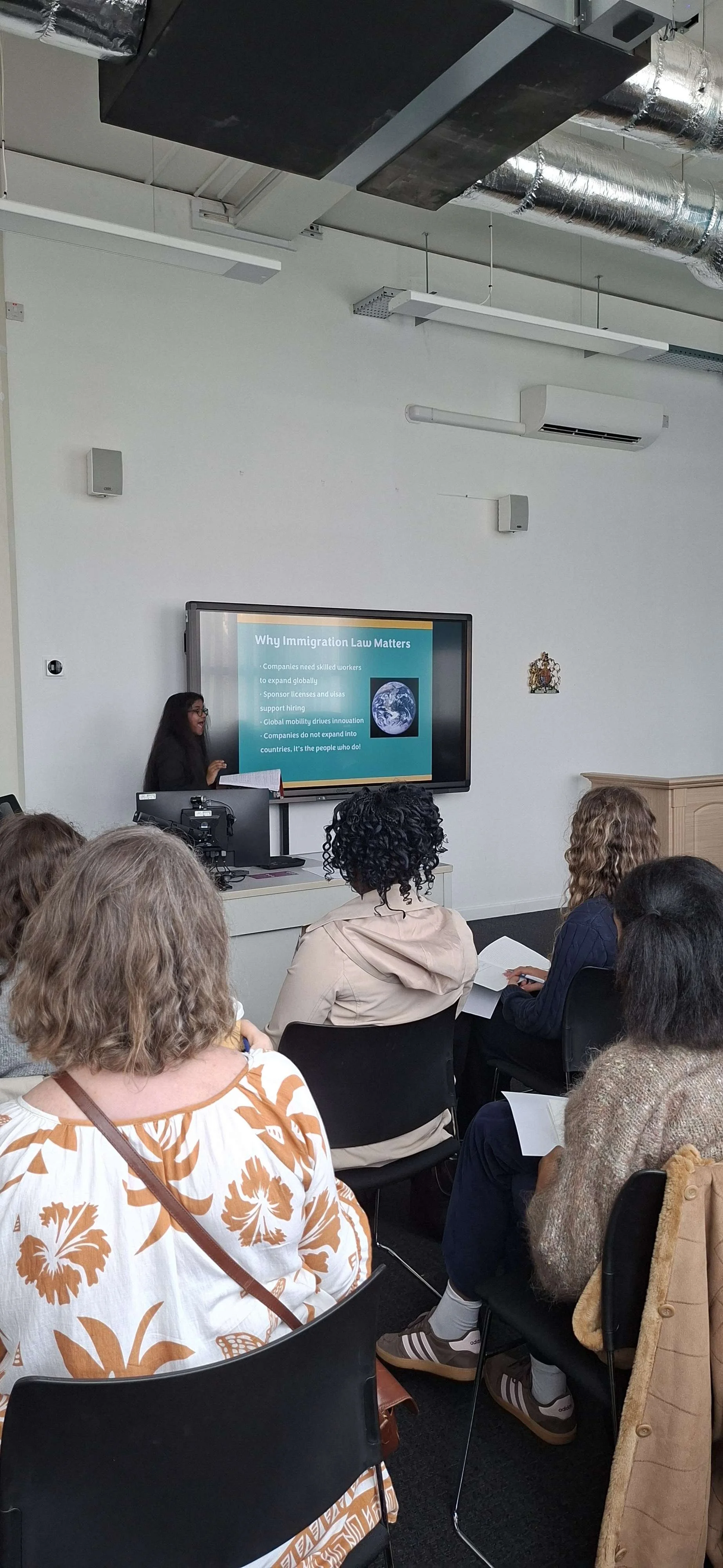
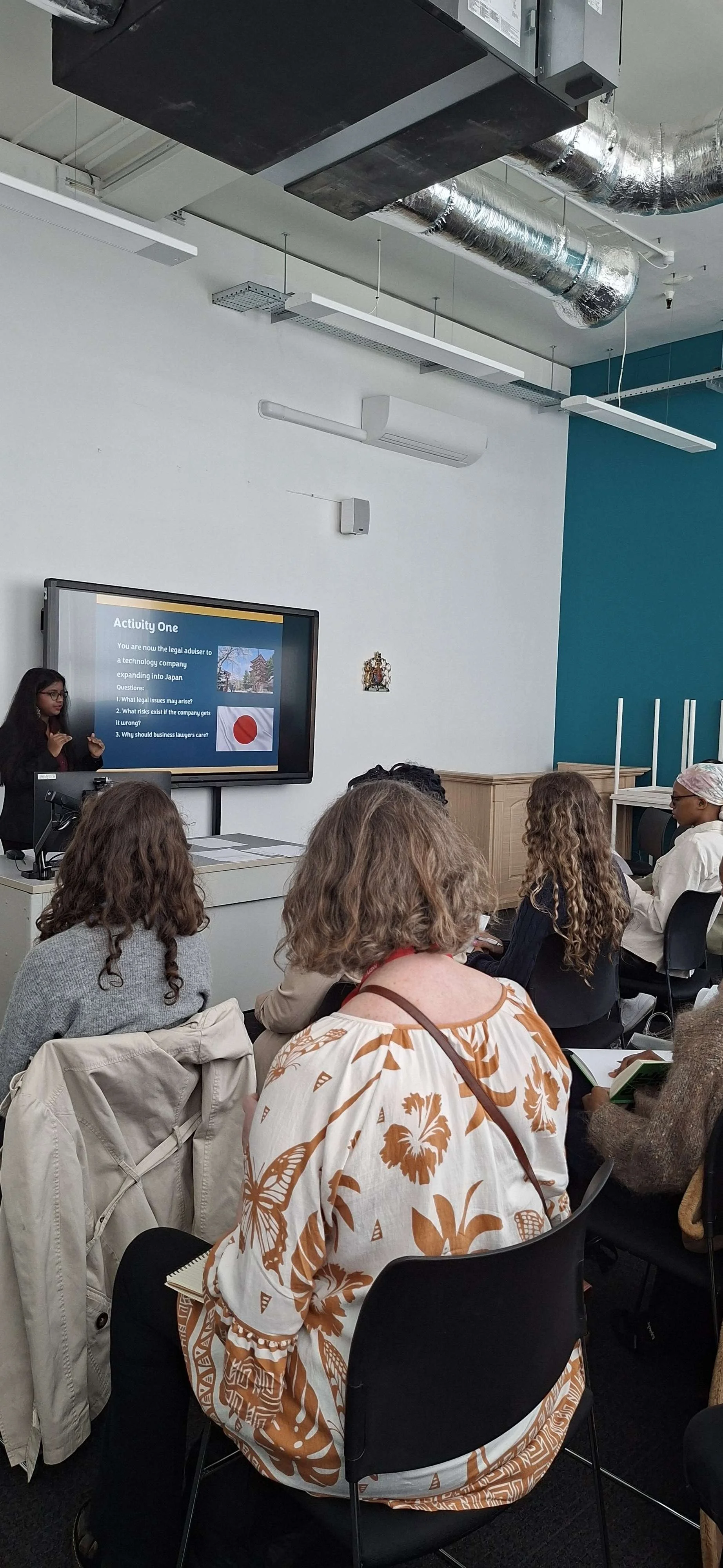
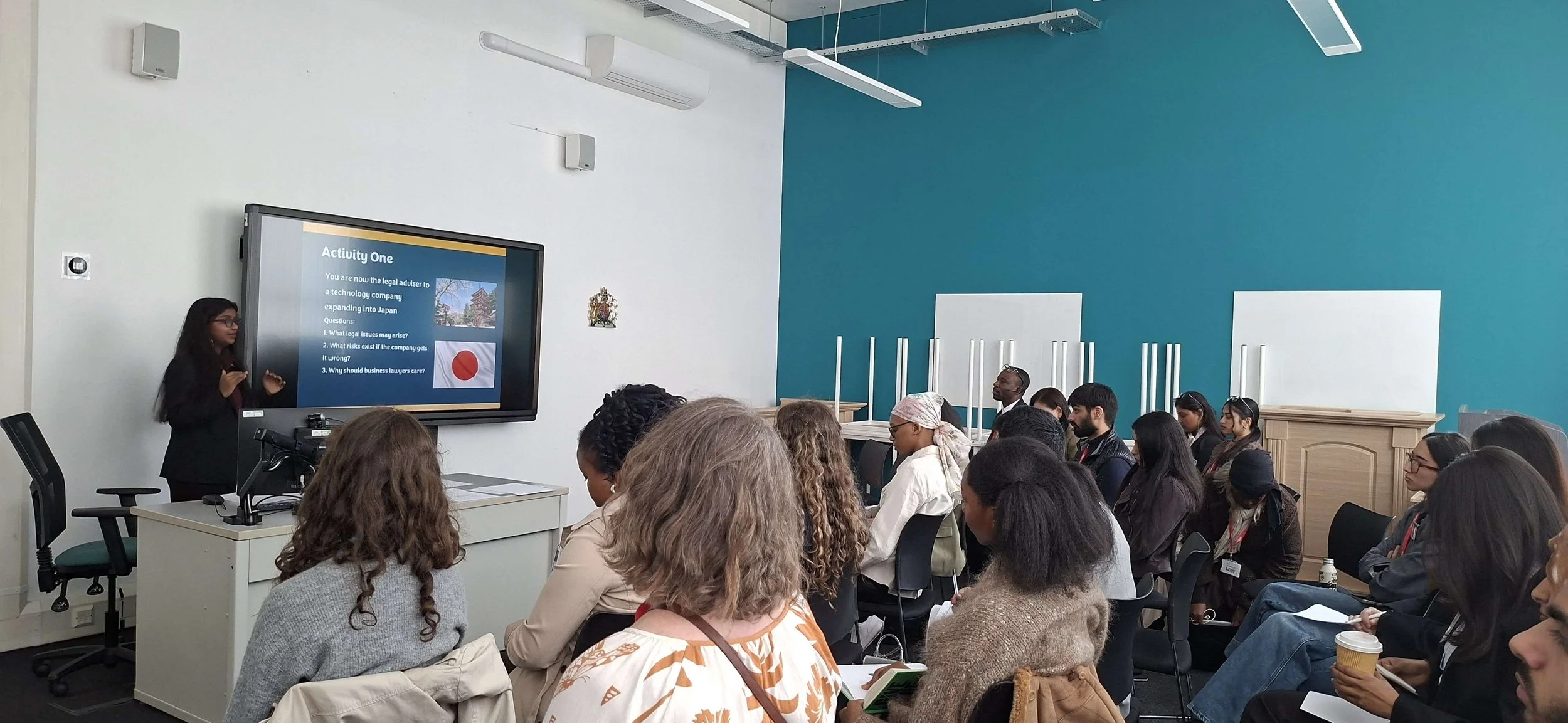
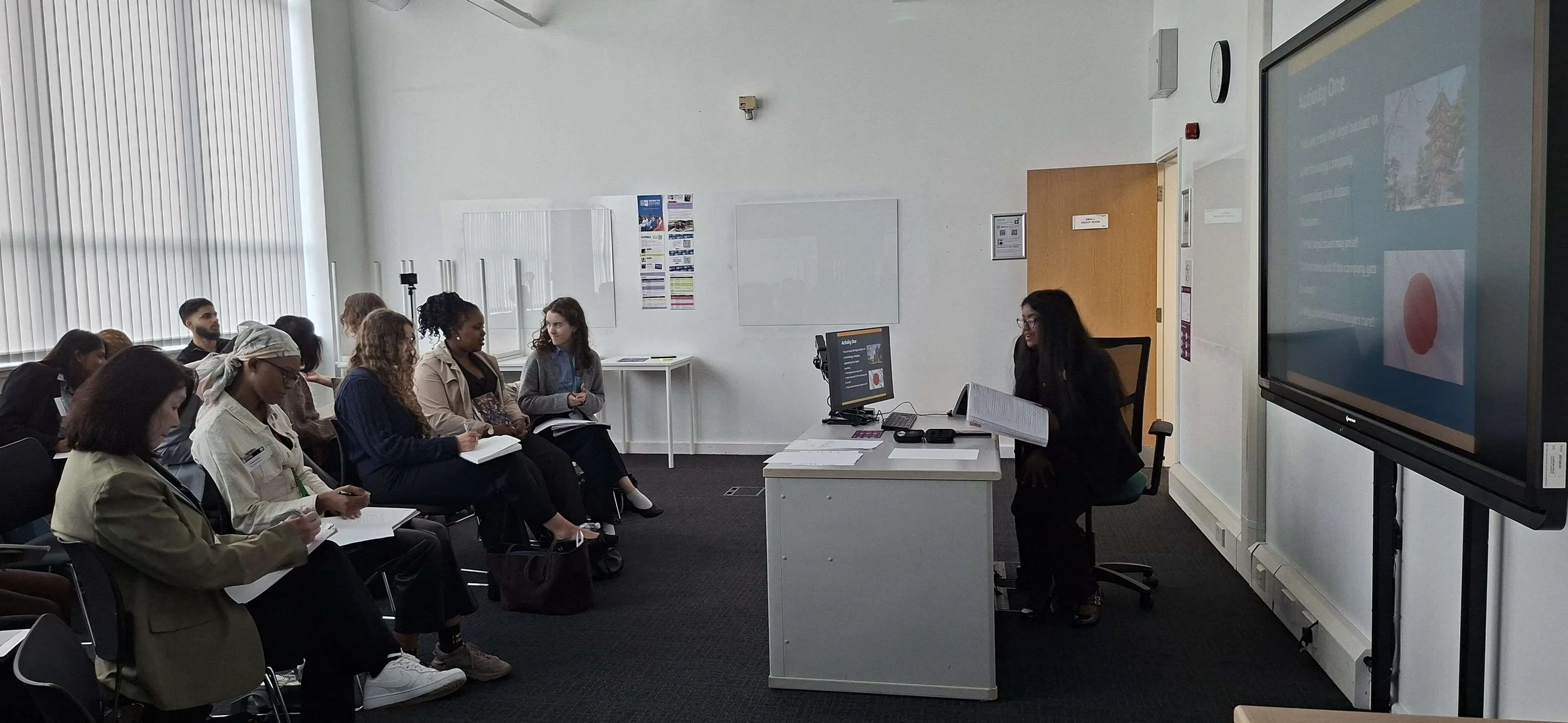
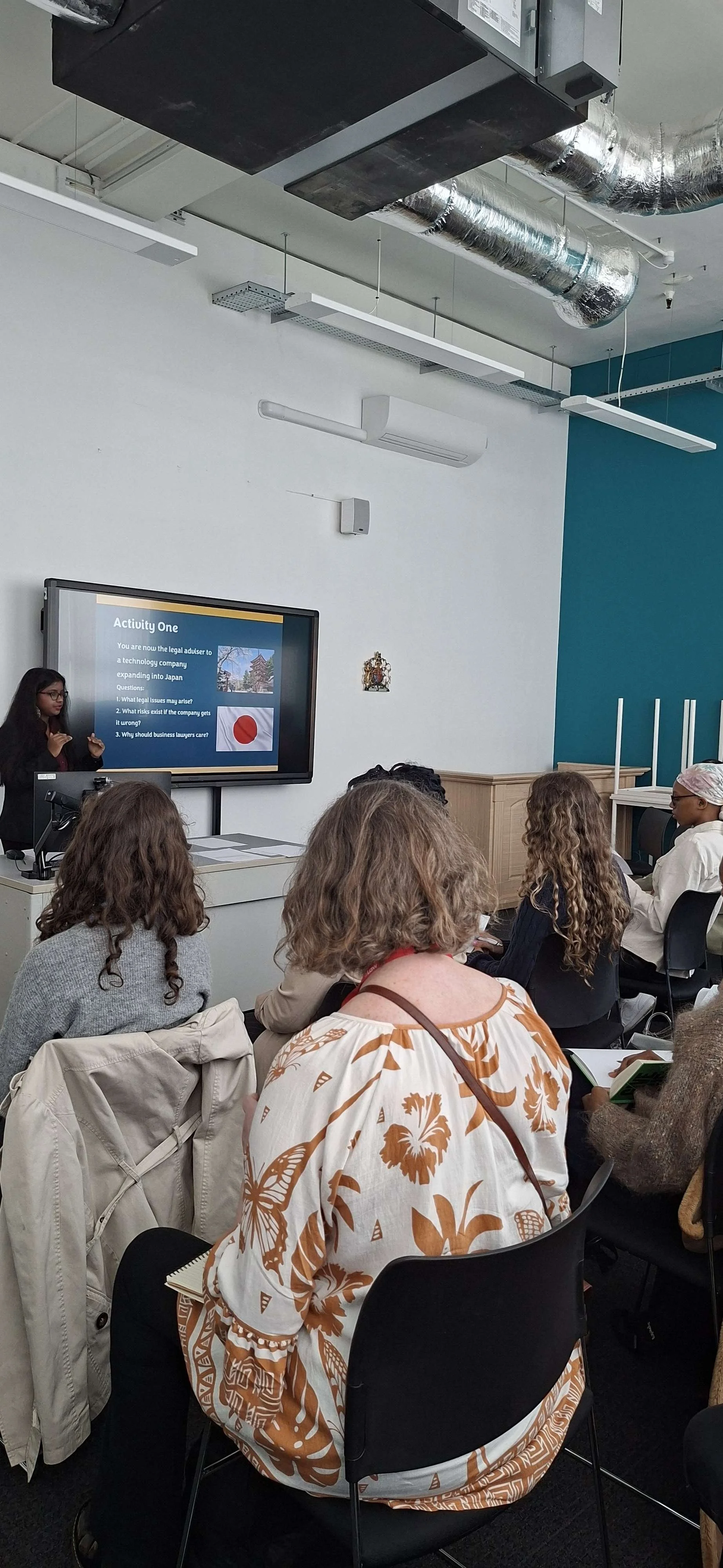
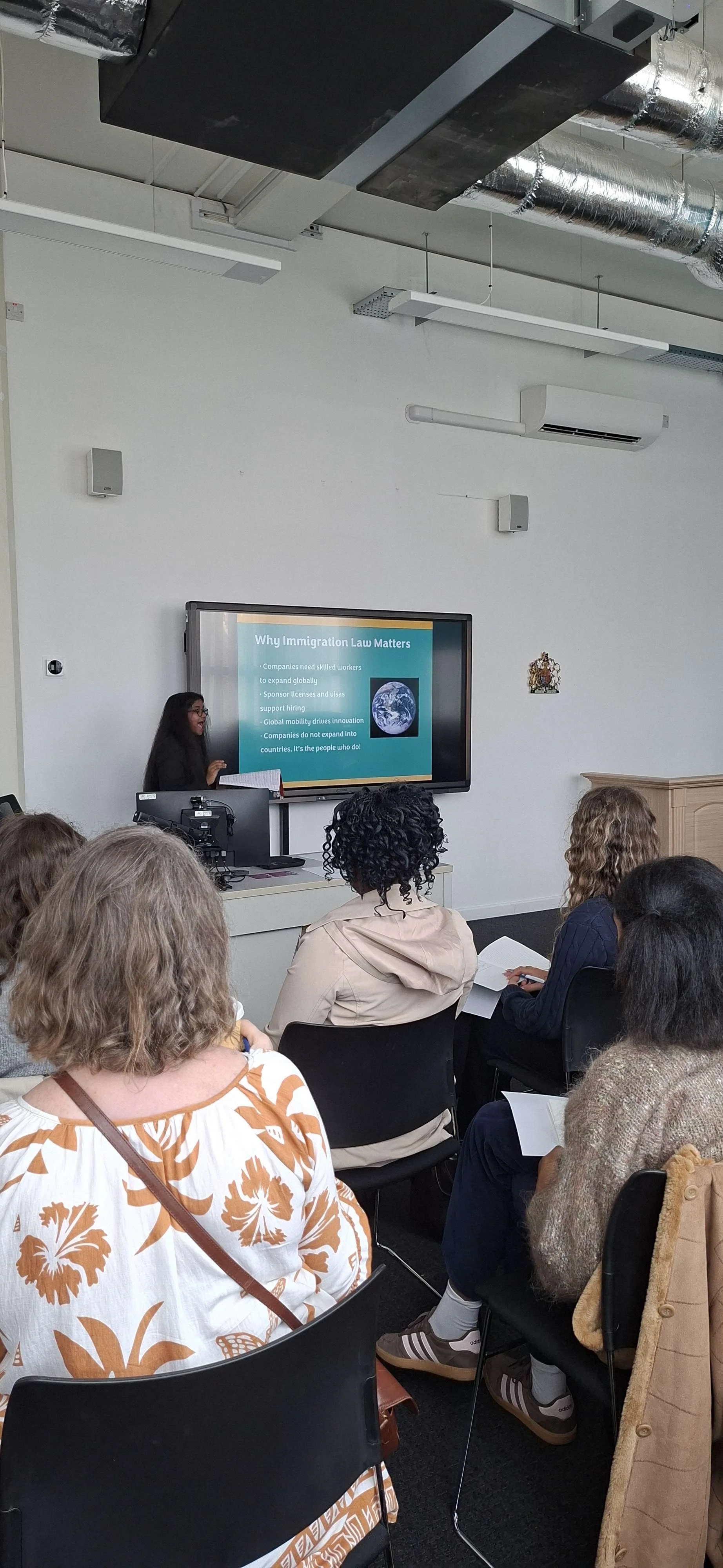
On 13th June 2026, I, Keerthana Sharon Moses, had the privilege of delivering a talk at “Shaping The Future: Business, Law & Society” conference where I was invited as a guest speaker at the University of Law. It was on a topic that sits at the heart of both my work and my passion: the role of immigration law in global business expansion. As a Trainee Immigration Caseworker at Tulia Group CIC, I see every day how mobility, opportunity, and human stories intersect with the realities of business strategy. Being invited to speak to future lawyers about this intersection was not only an honour, but also a reminder of why this work matters.

What Inspired the Talk
The starting point for my speech was simple: immigration law is often misunderstood. Many people hear “immigration” and immediately think of paperwork, forms, and long waiting times. But in practice, especially from a business law perspective, immigration law is about far more than documents. It is about strategy, risk management, workforce planning, and global competitiveness.
At Tulia Group CIC, we support individuals, families, and organisations navigating the UK’s immigration system. This gives us a unique vantage point as we see how immigration rules shape not only personal lives, but also corporate decisions, investment choices, and economic growth. I wanted the students to understand that immigration law is not a niche area sitting at the edges of legal practice. It is becoming a central pillar of how modern businesses operate.
What I Shared With the Students
During the talk, I asked the students and attendees a simple question: How many of you are immigrants, have immigrant parents, or know someone who moved to another country? Almost every hand went up. That moment captured the truth I hoped to convey that immigration is not abstract. It is personal, familiar, and deeply human.
From there, we explored how companies rely on global mobility to access talent. Whether it is an AI engineer, a healthcare professional, a researcher, or a senior manager, businesses cannot grow without people. And people cannot move without law.
I also led a couple of activities that helped students see immigration law through both a corporate lens and a human lens. They identified risks businesses face when expanding internationally, and they reflected on the contributions immigrants make to the business world. The combination of legal analysis and personal reflection created a powerful learning moment on how this area of immigration law is business law, but how it is also human law.
Thoughts as a caseworker at Tulia Group CIC
Speaking at the University of Law reinforced something we believe strongly at Tulia Group CIC: our work is not just about applications, it is about impact.
Every visa application represents:
a business trying to grow,
a family trying to stay together,
a professional pursuing opportunity,
a researcher developing solutions,
a student building a future.
Our organisation exists to support these journeys with integrity, expertise, and compassion. The talk allowed me to share that mission with the next generation of lawyers, many of whom will one day advise companies, shape policy, or advocate for individuals.
A Personal Reflection
As a trainee, delivering this speech was a milestone. It reminded me why I chose this field, because immigration sits at the intersection of law, business, and humanity. It shapes economies, but it also shapes lives. And working at Tulia Group CIC means contributing to both.
I left the University of Law feeling inspired not only by the students’ and attendees’ engagement, but by the realisation that conversations like this are essential. They help future lawyers see beyond the paperwork and recognise the people, the stories, and the global forces behind every immigration decision.
Looking Ahead
The question I left the students with was this:
Can countries remain globally competitive while restricting labour mobility?
It is a question that will shape the next decade of business law, immigration policy, and economic strategy. And it is a question we at Tulia Group CIC will continue to explore as we support individuals and organisations navigating an ever‑changing legal landscape.
I am grateful to Gabriella Matthews from the University of Law for the opportunity, and to Tulia Group CIC for trusting me to represent our work. This experience has strengthened my commitment to this field and deepened my appreciation for the role immigration plays in both business and society.